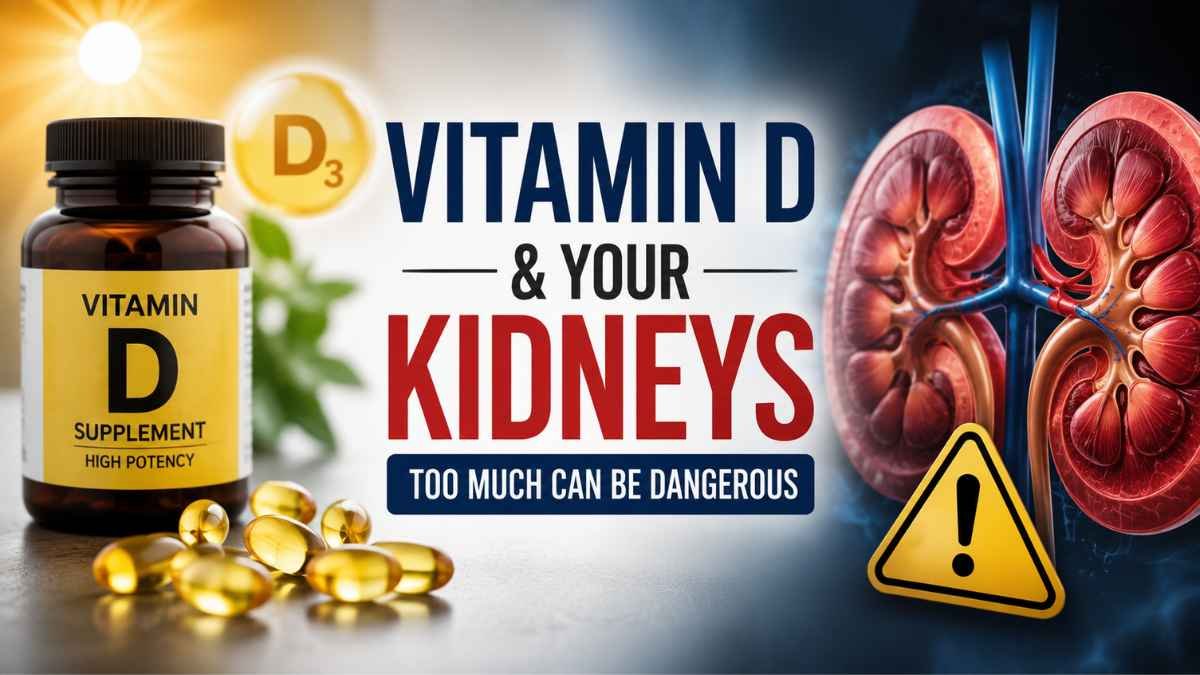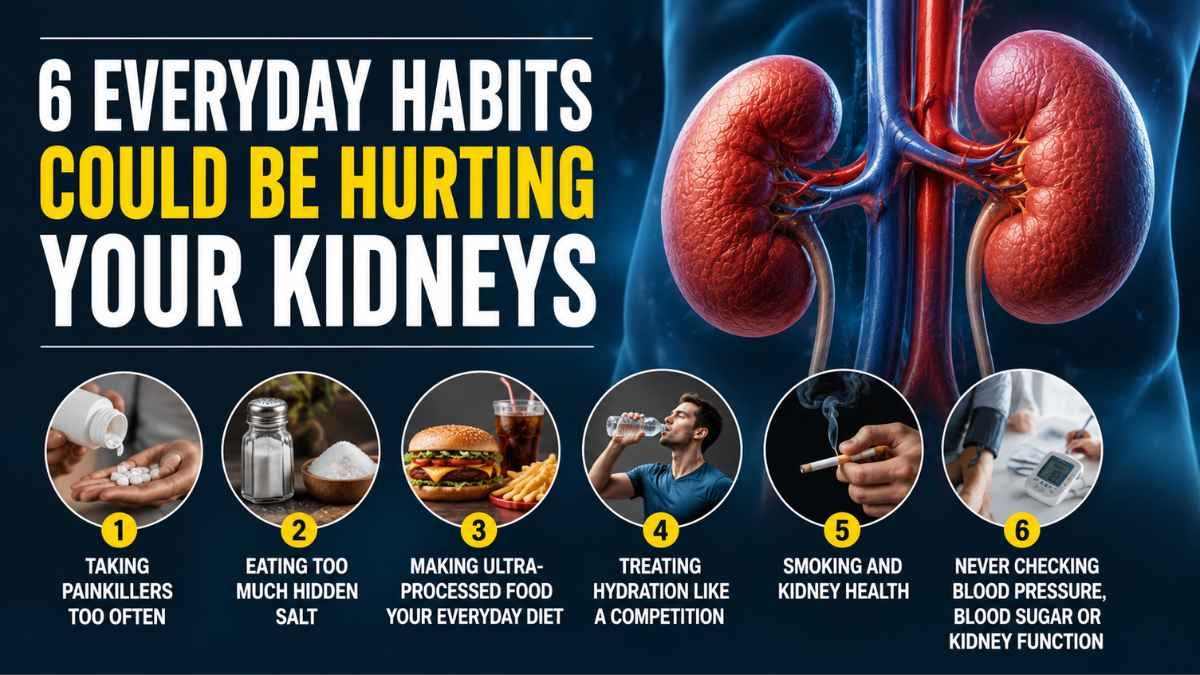
You may feel completely healthy while your kidneys are quietly dealing with extra stress. Kidney problems can develop without obvious pain or warning signs, which is why some everyday habits deserve more attention.
According to nephrologist Dr Urmila Anandh, some routine choices can gradually put additional pressure on kidney function. The concern is generally not one isolated meal or one tablet, but the pattern repeated over time.
1. Taking Painkillers Too Often
Painkillers can seem like an easy solution for headaches, back pain or body aches. But frequent or inappropriate use of certain medicines, particularly NSAIDs such as ibuprofen and naproxen, can reduce blood flow to the kidneys and, in some situations, trigger acute kidney injury. Long-term use can also contribute to kidney damage.
The risk can become greater when these medicines are taken while dehydrated or during illnesses involving vomiting or diarrhoea.
The issue is not that painkillers should never be used. The concern is repeated self-medication without considering dose, duration, other medicines and existing health conditions.
2. Eating Too Much Hidden Salt
Many people associate excess salt only with the salt shaker. But a significant amount of sodium can come from foods such as:
- Namkeen
- Pickles
- Sauces
- Instant noodles
- Packaged snacks
- Processed foods
- Restaurant meals
These foods may not even taste extremely salty.
Excess sodium can make the body retain fluid and raise blood pressure. Persistently high blood pressure can damage the blood vessels and filtering structures inside the kidneys.
3. Making Ultra-Processed Food Your Everyday Diet
Eating packaged food occasionally isn't automatically a kidney problem.
The concern grows when ultra-processed and packaged foods become the foundation of your everyday diet.
Such foods can contain high amounts of sodium, refined carbohydrates, calories and unhealthy fats. Over time, a diet dominated by these foods can contribute to weight gain, insulin resistance and high blood pressure, all of which can increase kidney risk.
Replacing some packaged foods with vegetables, fruits, pulses, whole grains and other minimally processed foods can improve the overall quality of the diet.
4. Treating Hydration Like a Competition
Drinking enough water is important, but more water is not automatically better for your kidneys.
Significant dehydration can put stress on the kidneys, especially during:
- Hot weather
- Heavy exercise
- Fever
- Vomiting
- Diarrhoea
At the same time, forcing yourself to drink several litres of water every day without a medical reason isn't a proven kidney-health strategy. Fluid requirements vary depending on factors such as body size, climate, activity and health conditions.
People with advanced kidney disease or certain heart conditions may actually need to restrict fluids under medical guidance.
The goal is therefore appropriate hydration, not excessive hydration.
5. Smoking and Kidney Health
Smoking isn't only a lung problem.
The kidneys depend on a healthy blood-vessel network because they continuously filter blood. Smoking damages vascular health and increases cardiovascular risk, which can also affect kidney health.
For people who already have diabetes, high blood pressure or chronic kidney disease, continuing to smoke can add another avoidable burden.
This is one reason smoking cessation matters for overall kidney protection as well as lung and heart health.
6. Never Checking Blood Pressure, Blood Sugar or Kidney Function
This may be the easiest habit to overlook because it doesn't feel like a habit.
Many people only check their health when something feels wrong. But kidney disease can progress without obvious symptoms, particularly in its early stages.
Diabetes and high blood pressure are among the major causes of chronic kidney disease.
High blood sugar can damage the kidney's filtering structures, while high blood pressure can damage the blood vessels and filtration system.
For people at increased risk, doctors may recommend tests such as:
- Serum creatinine
- eGFR
- Urine albumin-to-creatinine ratio (UACR)
People with diabetes, high blood pressure, cardiovascular disease or a family history of kidney failure should discuss appropriate kidney testing with their healthcare provider.
Why Kidney Problems Can Go Unnoticed
One of the biggest concerns about kidney disease is that it can remain silent for years.
Unlike conditions that immediately produce obvious pain, declining kidney function may not cause noticeable symptoms in its early stages. Dr Anandh specifically notes that pain is not a common warning sign of kidney disease.
That makes preventive care particularly important.
Rather than waiting for symptoms, paying attention to blood pressure, blood sugar, medication use, diet, smoking and hydration can help reduce avoidable risks.
The Bottom Line
Your kidneys work continuously to filter waste, regulate fluids and electrolytes and help control blood pressure. Some everyday habits may gradually place additional stress on them, even when you feel completely fine.
The six habits highlighted by the report are frequent painkiller use, excessive hidden sodium, a diet dominated by ultra-processed food, inappropriate hydration, smoking and neglecting important health checks.
The goal isn't to panic over an occasional unhealthy choice. It's to recognise that repeated habits over months and years can matter.