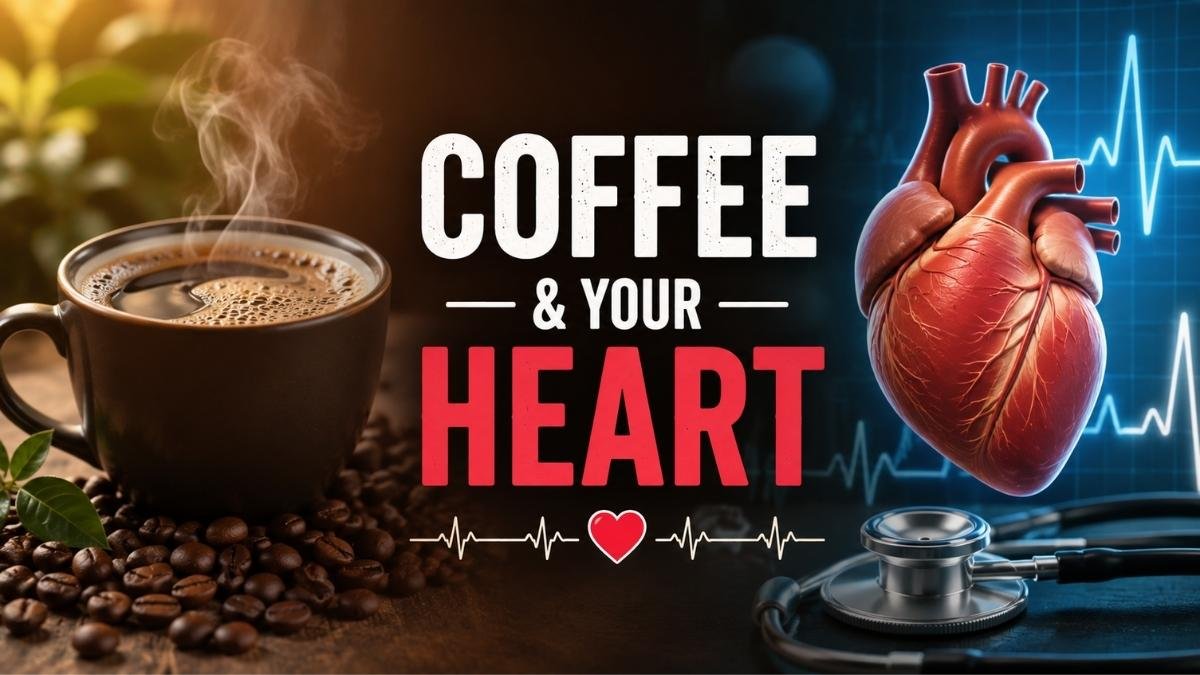
Coffee has spent years under suspicion when it comes to heart health, mainly because caffeine can temporarily increase heart rate and blood pressure. But a new scientific statement from the American Heart Association suggests that moderate caffeine consumption, particularly from coffee, may be safe for most adults and could even be linked to cardiovascular benefits in some people.
The AHA statement, published in Circulation, says that up to 400 milligrams of caffeine a day is generally safe for most adults. That is roughly equivalent to as many as five 8-ounce cups of regular brewed coffee, although the actual caffeine content can vary considerably depending on the coffee and serving size.
Coffee's Heart Story Is More Complicated Than Caffeine
According to cardiologist Dr. Kelley Chen, caffeine has often received a negative reputation when it comes to cardiovascular health.
But researchers point out that coffee is not simply a source of caffeine. It contains a mixture of antioxidants and other compounds that may contribute to some of its potential health effects.
This also makes coffee research more complicated because studies described as research on "caffeine" may actually be examining coffee, making it difficult to separate the effects of caffeine from those of other coffee compounds.
The AHA's statement says the evidence is strongest for plain coffee. Added sugar and flavored syrups may reduce any potential benefit.
What Coffee May Mean for Blood Pressure and Diabetes
Coffee can raise blood pressure temporarily, but longer-term findings are less straightforward.
The statement highlights research showing that among people with optimal blood pressure, drinking one to three cups of caffeinated coffee daily was associated with a higher risk of developing high blood pressure. At the same time, consuming more than three cups a day was associated with a lower risk.
For Type 2 diabetes, evidence cited in the statement found that black caffeinated coffee, without cream, sweeteners or flavorings, was associated with a lower risk of developing the condition.
However, caffeine can reduce insulin sensitivity in the short term. Researchers say the longer-term association may be related to other compounds found in coffee rather than caffeine itself.
The Way You Brew Coffee Could Matter
Coffee preparation may also affect its impact on cholesterol.
The AHA statement points to research showing that cafestol, a compound found in coffee, can raise LDL, or "bad," cholesterol.
Cafestol is found in unfiltered coffee, including espresso, French press, Turkish coffee and boiled coffee. It is largely removed by paper-filtered coffee and is not present in instant coffee, according to the statement.
What About Irregular Heartbeats?
The AHA statement says analyses found that drinking one to three cups of caffeinated coffee a day was not associated with a higher risk of atrial fibrillation, or AFib.
However, randomized trials found that caffeine in coffee was associated with a higher risk of premature ventricular contractions (PVCs). These are extra heartbeats that are generally harmless but can feel uncomfortable or concerning to some people.
Energy drinks and energy shots are a different matter. The article notes that these products are not as well studied as coffee, and caffeine recommendations for coffee should not automatically be applied to every caffeine source.
Energy shots can contain considerably more caffeine per ounce than regular coffee and have been associated with increased risks of high blood pressure and irregular heart rhythms.
So, How Much Coffee Is Considered Safe?
For most adults, the AHA considers up to 400 mg of caffeine per day from coffee generally safe. The statement also says coffee may be associated with a lower risk of heart disease, stroke and heart failure in some people, particularly when consumed without added sugar and high-calorie additions.
However, individual circumstances matter. The source recommends speaking with a clinician about caffeine intake if you experience palpitations, sleep disruption, are pregnant, or have uncontrolled high blood pressure.