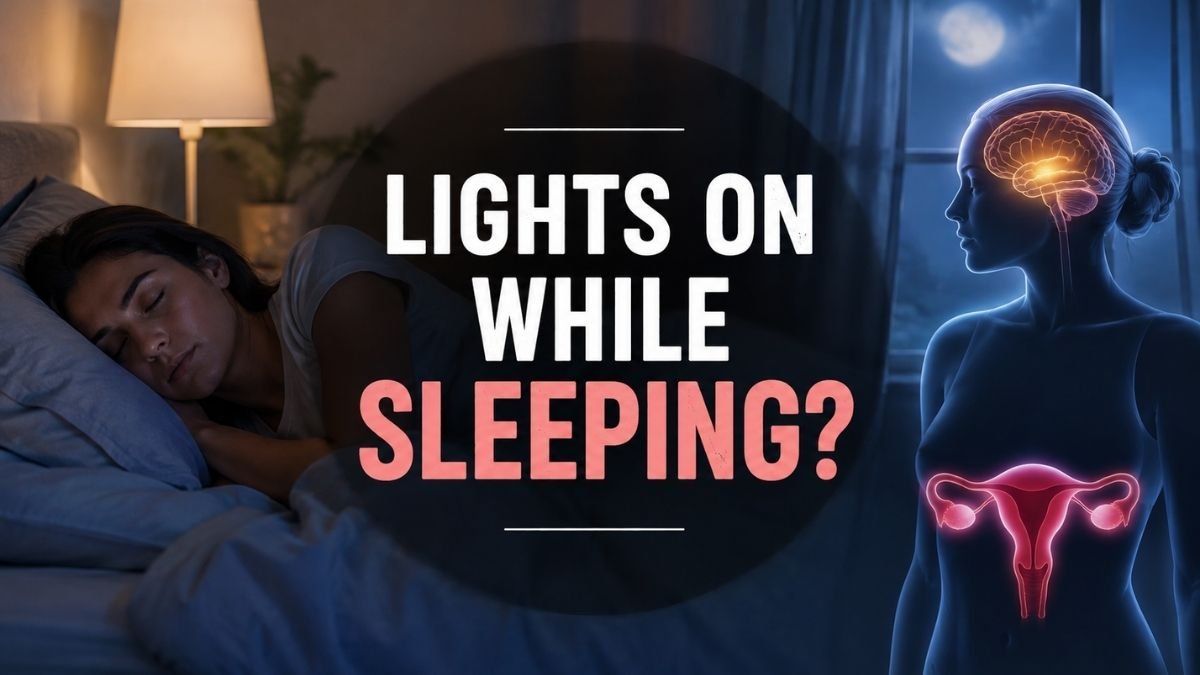
Sleeping with the lights on may seem like a harmless bedtime habit, but it could affect sleep quality and, in turn, hormonal health, according to obstetrician and gynaecologist Dr Mitali Rathod.
The doctor, who is also known as Dr Uterus on Instagram, explained how exposure to light at night can interfere with the body's natural sleep-wake cycle and potentially affect hormonal balance and reproductive health.
Why Can Light at Night Affect Hormones?
Sleep plays an important role in maintaining hormonal balance. According to Dr Rathod, disturbances in sleep quality and the body's circadian rhythm may also affect different phases of the menstrual cycle, including the menstrual, follicular, ovulatory and luteal phases.
Light exposure at night can trigger changes in the body's hormone production. The doctor explained that exposure to room lights or blue light from phones and other gadgets can suppress melatonin, the hormone that signals to the body that it is time to sleep.
Melatonin also has a role in reproductive health and hormonal regulation.
When melatonin production is disrupted, sleep can be affected. Dr Rathod said this may also increase the stress hormone cortisol.
She further explained that elevated cortisol can negatively affect insulin regulation, which may contribute to inflammation and disturbances in hormonal balance and reproductive health.
What Is the Ideal Sleeping Environment?
Dr Rathod advised keeping the sleeping environment as dark as possible to support the body's natural sleep-wake cycle.
For people who need some light during the night, she suggested using an extremely dim light in one corner of the room and switching it on only when necessary.
She also recommended wearing loose, breathable and comfortable clothing at night to help regulate body temperature.
The room should be kept at a comfortable temperature with proper ventilation and adequate air circulation so that it does not become excessively warm or stuffy.
Cool, Quiet and Dark Room May Support Better Sleep
According to Dr Rathod, creating the right sleeping environment can help support uninterrupted and restorative sleep.
Her recommendations include keeping the room cool, comfortable, quiet and dark, while avoiding unnecessary light exposure during sleep.
The Hindustan Times article also notes that its information is for informational purposes and should not be considered a substitute for professional medical advice.