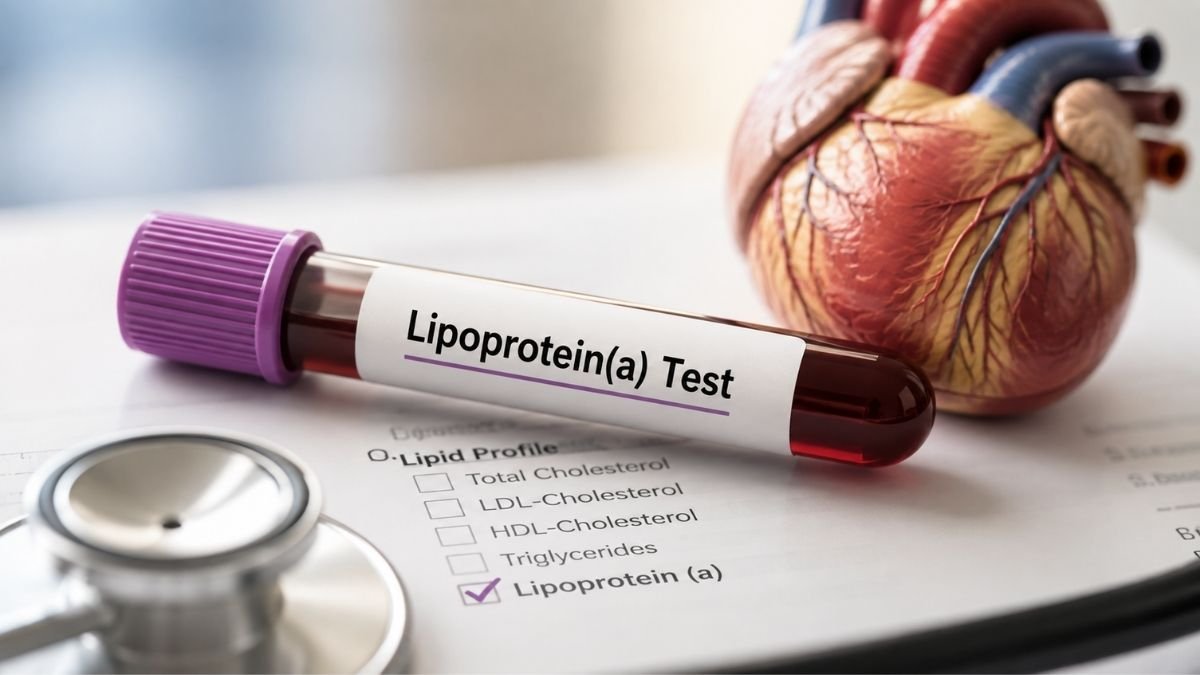
A routine cholesterol test may look reassuring, but there is one important risk factor that a standard lipid panel does not measure: lipoprotein(a), or Lp(a).
Unlike LDL and HDL cholesterol, Lp(a) is largely determined by genetics. Around 1 in 5 people have elevated Lp(a), and high levels can increase the risk of cardiovascular disease, heart attack and stroke.
In March, a group of medical organisations including the American Heart Association (AHA) released new cholesterol-management guidelines recommending that every adult have their Lp(a) level checked at least once in their lifetime.
Why Your Regular Cholesterol Test May Miss This Risk
A standard lipid panel typically measures total cholesterol, LDL cholesterol, HDL cholesterol and triglycerides.
But it does not normally include Lp(a).
The reason doctors are paying more attention to it is that high Lp(a) usually produces no symptoms. A person may feel completely healthy until a blockage in a blood vessel contributes to a heart attack or stroke.
Unlike cholesterol levels that can respond to diet and other lifestyle changes, Lp(a) is largely controlled by genetics. This means changing your lifestyle generally does not significantly lower the Lp(a) level itself.
How High Lp(a) Can Affect Your Heart
An Lp(a) level above 125 nanomoles per litre, sometimes measured as 50 mg/dL, has been associated with an increased risk of heart disease and stroke.
At around 250 nanomoles per litre, or 100 mg/dL, the risk may be twice as high.
Like excess LDL cholesterol, Lp(a) can contribute to plaque buildup inside arteries. This process, known as atherosclerosis, can narrow blood vessels and reduce blood flow.
Lp(a) also has an additional protein component that can make it more likely to contribute to fatty plaque formation. It can also interfere with aspects of the body's clot-breaking process and carry inflammatory molecules that may affect the aortic valve and arteries.
Who Should Consider an Lp(a) Test?
Because Lp(a) is primarily genetic, certain groups may have a higher likelihood of elevated levels.
The article highlights people of African or South Asian descent, followed by White, Hispanic and East Asian populations.
Testing is also particularly recommended for people with:
- A family history of high Lp(a)
- A personal or family history of early cardiovascular disease
- Familial hypercholesterolemia (FH)
- Other significant cardiovascular risk factors
Early cardiovascular disease is generally considered to be occurring before 55 in men and 65 in women.
You May Only Need This Test Once
For most people, a single Lp(a) blood test is enough because the level generally does not change significantly over time.
There are some exceptions. Certain conditions, including thyroid disorders, nephrotic syndrome and some acute inflammatory conditions, can temporarily affect Lp(a). Pregnancy and menopause can also be associated with elevated levels. According to the article, levels generally return toward their genetic baseline when these situations resolve or are treated.
What If Your Lp(a) Level Is High?
There currently aren't interventions that meaningfully lower Lp(a) itself.
Instead, doctors focus on controlling the other cardiovascular risk factors that can be changed.
That includes keeping LDL cholesterol low and managing blood sugar and blood pressure. Research cited in the article suggests that lowering LDL by an additional 20 mg/dL or more below the general 100 mg/dL target for healthy adults may help offset some of the additional risk associated with high Lp(a).
Lifestyle measures recommended by the AHA include:
- At least 150 minutes of moderate physical activity each week
- A diet rich in plant-based foods
- Quitting smoking
- Maintaining a healthy weight
- Getting 7–9 hours of sleep each night
Doctors may also use cholesterol-lowering medications such as statins to reduce LDL and overall cardiovascular risk. Other options can include ezetimibe or PCSK-9 inhibitors, depending on the individual patient's situation.
Could There Soon Be a Drug for Lp(a)?
Researchers are developing medications specifically designed to reduce Lp(a).
The article reports that a new class of drugs is currently in late-stage clinical trials. These medicines target the RNA involved in producing the lipoprotein.
Early results suggest they can lower Lp(a) levels, but researchers still need to determine whether lowering Lp(a) with these drugs ultimately reduces the risk of serious cardiovascular events.
For now, doctors view Lp(a) as another piece of the overall cardiovascular-risk picture.
Knowing your level can help you and your doctor pay closer attention to the risk factors that can be changed—and potentially take action before a heart attack or stroke occur