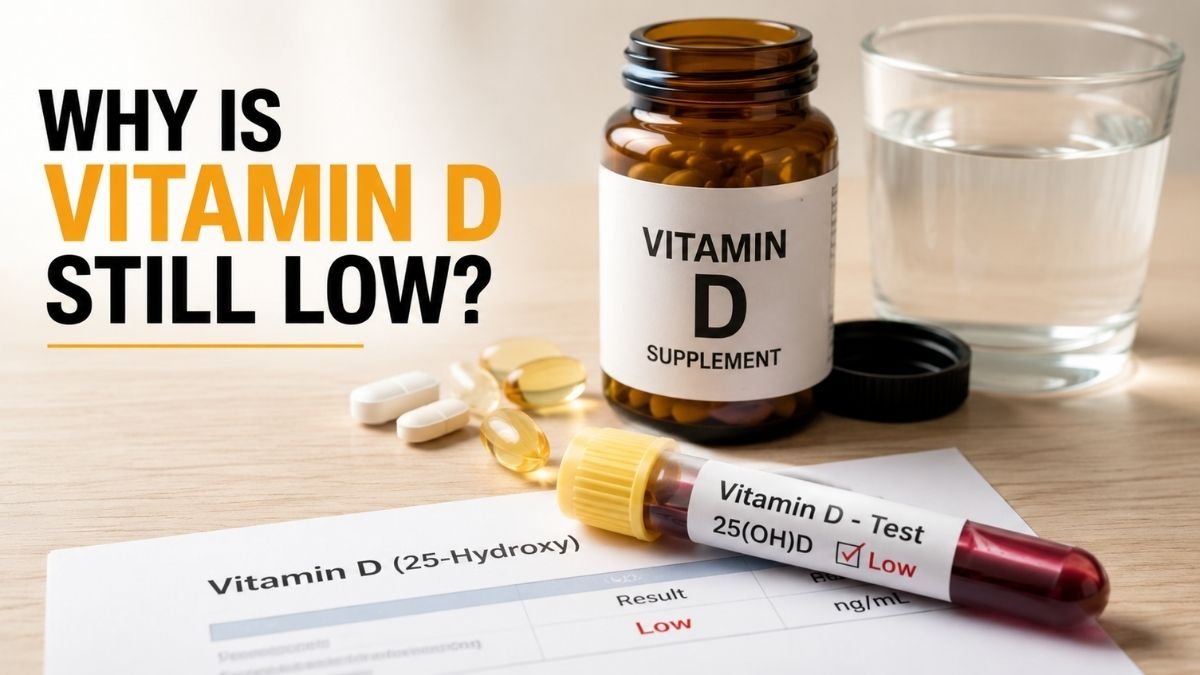
You take your vitamin D supplement regularly, follow the routine and expect your blood levels to improve. But what happens when the next test still shows low vitamin D levels?
It can be frustrating, especially when you feel like you're doing everything right. But according to doctors, taking a vitamin D supplement is only one part of the process.
Your body still has to absorb, metabolise and store vitamin D, and several factors can interfere with these processes. Digestive conditions, body weight, certain medications, liver or kidney problems and even the way you take the supplement can all affect your vitamin D status.
1. Your Body May Not Be Absorbing Vitamin D Properly
Vitamin D is a fat-soluble vitamin, which means dietary fat helps the body absorb it efficiently.
Certain digestive conditions can interfere with fat absorption. These include Crohn's disease, ulcerative colitis and celiac disease. People who have undergone certain types of bariatric surgery may also have problems absorbing vitamin D.
The source cites research published in the Journal of the Academy of Nutrition and Dietetics, which found that peak blood levels of vitamin D3 were, on average, 32% higher when it was taken with a meal containing fat compared with a fat-free meal.
This means that simply increasing the vitamin D dose may not solve the problem if an underlying digestive issue is preventing proper absorption.
If vitamin D levels remain low despite regular supplementation, doctors may need to investigate whether an absorption problem is involved.
2. Higher Body Weight Can Affect Vitamin D Levels
Obesity is another factor associated with lower vitamin D levels.
According to the source, scientific studies have found a link between higher body fat and lower levels of active vitamin D in the blood.
One reason is that vitamin D can settle into fat tissue, leaving less of it available in the bloodstream.
This does not necessarily mean that a person simply needs to keep increasing their supplement dose. The source notes that weight loss may help reverse this trend, although the situation is not always straightforward.
So if vitamin D levels remain low despite supplementation, body weight can be one factor worth discussing with a doctor.
3. Some Medications May Interfere With Vitamin D
Your medication could also be affecting your vitamin D levels.
The source specifically mentions orlistat, a weight-loss medication that can reduce the absorption of fat as well as fat-soluble vitamins.
Steroids can also interfere with the body's ability to metabolise vitamin D properly. Other medications may affect vitamin D status in different ways.
This is why people who continue to show disappointing vitamin D blood-test results while taking medication should discuss the issue with their doctor rather than simply switching to a stronger supplement.
4. Your Liver and Kidneys Play a Major Role
Taking vitamin D is only the beginning. Your liver and kidneys are involved in converting vitamin D into forms the body can use.
The liver converts vitamin D into calcidiol, while the kidneys are involved in the next step, producing the active form called calcitriol.
Chronic liver conditions such as non-alcoholic fatty liver disease (NAFLD) or hepatitis can affect the liver's ability to make calcidiol.
Meanwhile, chronic kidney disease (CKD) can affect kidney tissue and function, potentially interfering with the conversion of vitamin D into its active form.
This means a person can be taking vitamin D regularly but still have problems with how the body processes and uses it.
5. The Way You Take Your Vitamin D Matters
Even your vitamin D routine can make a difference.
Because vitamin D absorption is linked to dietary fat, the source recommends taking supplements with food that contains some fat rather than taking them alone.
Taking the supplement with black coffee, for example, does not provide the dietary fat that helps with absorption.
Another important point is not to increase your vitamin D dose on your own simply because your blood level remains low.
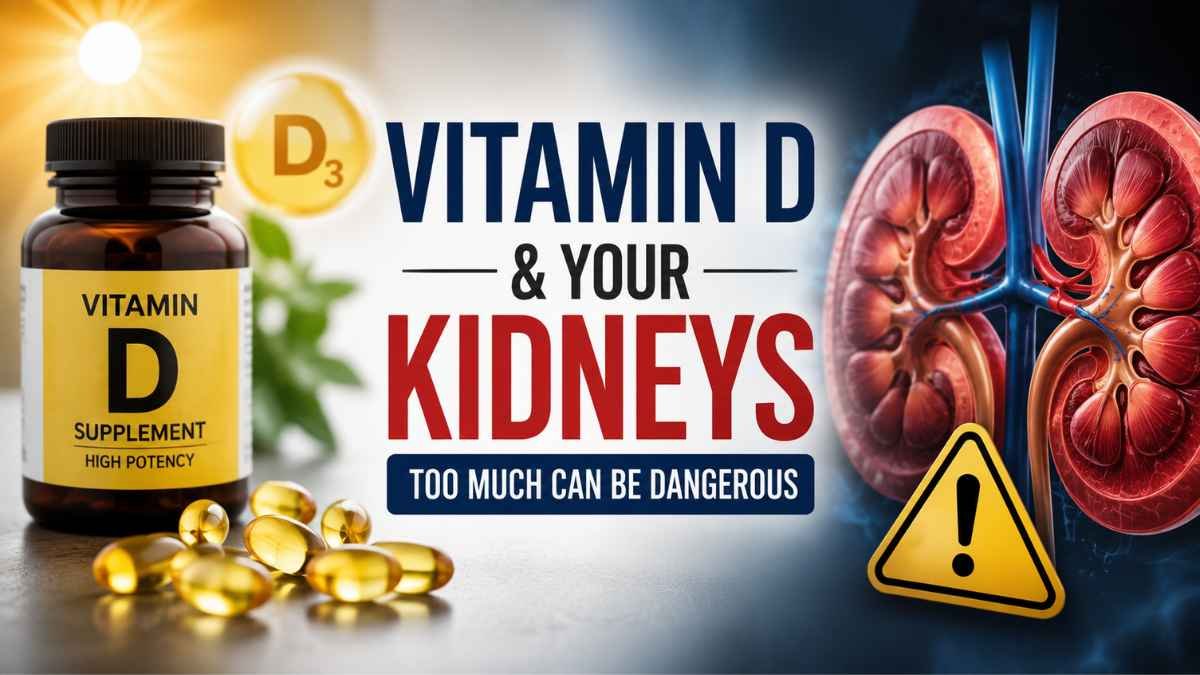
According to the source, excessive vitamin D intake is not harmless. Too much vitamin D can cause calcium levels in the body to rise to dangerous levels, potentially leading to symptoms such as nausea and confusion, and can even cause kidney injury.
Is a Higher Vitamin D Level Always Better?
Not necessarily.
The idea that everyone should keep pushing their vitamin D levels higher is not supported by the evidence discussed in the article.
The Endocrine Society's 2024 guideline states that healthy adults under 75 do not need to routinely take vitamin D above official recommendations simply to prevent disease.
The source also notes that there is not strong evidence supporting one specific blood-level target for preventing all diseases.
Vitamin D supplementation still has an important role when someone has a genuine deficiency or certain health conditions. But continuously chasing a higher number without understanding why levels remain low may not be the right approach.
What Should You Do If Your Vitamin D Is Still Low?
If your vitamin D levels are not rising despite taking supplements, the answer may not simply be a higher dose.
Doctors may need to consider whether your body is absorbing the vitamin properly, whether medications are interfering with it, or whether liver or kidney health is affecting vitamin D metabolism.
The way you take the supplement can also matter.
Most importantly, persistent low vitamin D levels should be discussed with a healthcare professional rather than treated by repeatedly increasing the dose yourself.