The Centre has moved against advance tipping on ride-hailing apps, directing vehicle aggregators to remove features that encourage passengers to tip drivers before a ride begins.
The Ministry of Road Transport and Highways (MoRTH) said such prompts violate the Motor Vehicle Aggregator Guidelines, 2025, which allow passengers to give a voluntary tip only after completing their journey.
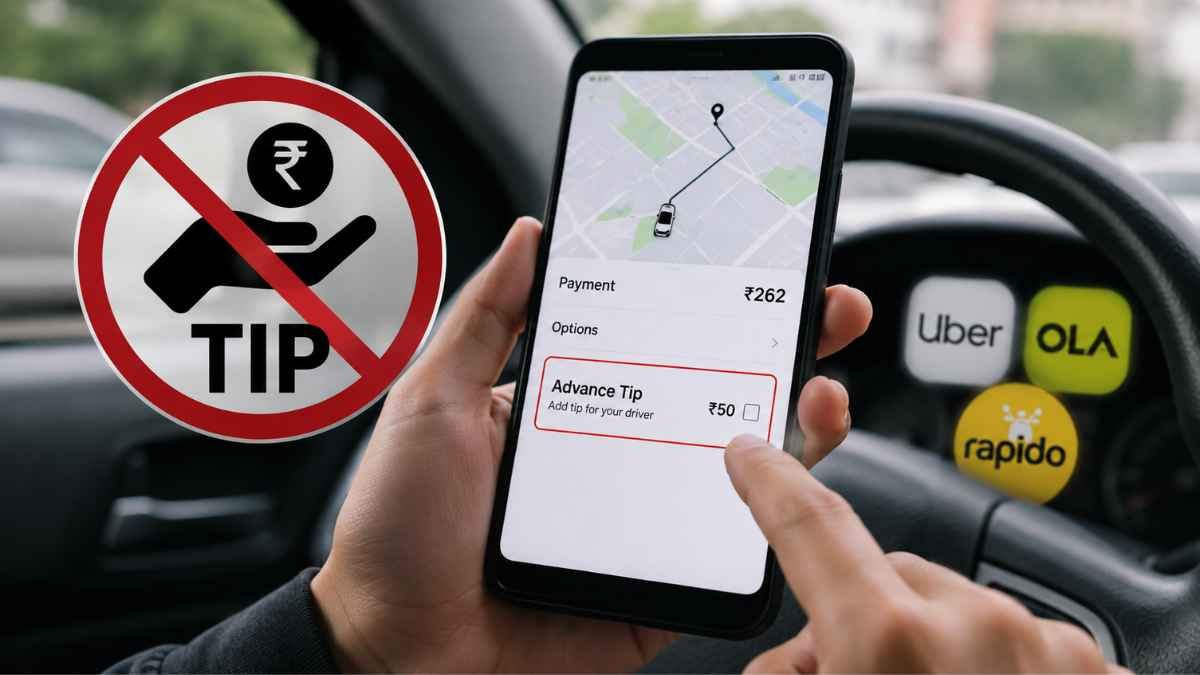
The move could affect the way passengers book rides on platforms that display options such as “Advance Tip” or other add-ons suggesting that an additional payment could help get a ride confirmed faster.
Centre Orders Ride-Hailing Apps to Remove Advance Tip Feature
The road transport ministry has asked vehicle aggregators to remove any prompt or option in their mobile applications that encourages passengers to tip drivers at the time of booking.
The ministry's advisory follows reports of apps displaying features such as “Advance Tip,” “Choose an Add-on” and messages suggesting that adding a tip could improve the chances of getting a ride confirmed quickly.
According to the ministry, such features can create the impression that passengers need to pay extra to improve their chances of getting a driver.
No More Tip Before the Ride
The government's position is clear: a tip should be voluntary and should come after the service has been provided.
Under Clause 14.15 of the Motor Vehicle Aggregator Guidelines, 2025, passengers can voluntarily tip drivers, but the tip option should only be available after the journey has been completed.
The guidelines also state that the entire tip amount should be credited to the driver without any deduction by the aggregator.
This means the government has not banned tipping altogether. Instead, it has targeted the practice of asking for or encouraging a tip before the ride is completed.
Why Is the Government Against Advance Tipping?
The main concern is that an advance tip could influence passenger behaviour.
For example, if a person is waiting for a cab and sees a message suggesting that paying an additional amount could improve the chances of getting a ride, they may feel pressured to pay more.
The ministry said no feature should appear before the completion of a ride if it directly or indirectly creates the impression that an additional payment could influence:
- Driver acceptance
- Ride confirmation time
- Driver allocation
- Passenger waiting time
- Quality or availability of service
The government considers such mechanisms potentially misleading or manipulative under the consumer protection framework.
What Does This Mean for Uber, Ola and Other Ride Apps?
Passengers using Uber, Ola, Rapido and other ride-hailing platforms should no longer be encouraged to make an advance tip as part of the booking process.
The directive applies to vehicle aggregators and their mobile applications, meaning companies will have to review their booking interfaces and remove features that do not comply with the 2025 guidelines.
The key change is that passengers should not be made to believe that paying extra before the ride could help them get a driver faster.
You Can Still Tip Your Driver After the Ride
Passengers can continue to tip drivers if they are happy with the service.
The difference is when the tip is offered.
Instead of being presented with an advance tipping option during booking, passengers can decide whether to reward the driver after the journey has ended.
This keeps tipping voluntary and separates it from the process of securing a ride.
Consumer Protection Rules Also Come Into Play
The Motor Vehicle Aggregator Guidelines state that no tipping mechanism should be provided through an app if it is misleading, manipulative or otherwise violates the Consumer Protection Act, 2019.
The latest direction from the ministry reinforces that requirement.
It also follows an earlier intervention by the Central Consumer Protection Authority (CCPA) concerning pre-ride tipping practices on ride-hailing platforms.
What Happens to Advance Tip Options Now?
Ride-hailing companies will need to remove the relevant prompts and features from their apps.
That includes not only a button explicitly labelled “tip”, but also other messages or add-ons that could suggest an additional payment may improve the chances of getting a ride.
For passengers, the practical takeaway is simple: you should not have to pay a tip upfront to improve your chances of getting a cab.
The tip remains a reward for service already provided—not an additional payment to secure the service in the first place.