Burning in the vagina after sex can be confusing. Sometimes a woman may notice mild burning or soreness immediately after intercourse and assume that she has an infection. At other times, she may ignore the symptom thinking that burning after sex is simply normal.
The truth is somewhere in between.
Mild, temporary burning can happen after sex, particularly when there has been vaginal dryness, friction or irritation. But burning that is severe, keeps coming back, lasts for a long time or occurs with unusual discharge, itching, pain, bleeding or urinary symptoms should not simply be ignored.
So, is vaginal burning after sex normal?
Sometimes.
But it depends on why it is happening.
Why can the vagina burn after sex?
One of the simplest explanations is friction.
During sex, the tissues around the vaginal opening and vulva experience repeated movement. If there isn't enough natural lubrication, that friction can cause irritation.
The result can be:
- Burning
- Soreness
- Tenderness
- Redness
- Discomfort when urinating
- Pain when the area is touched
Vaginal dryness is a recognized cause of pain and burning during or after sex.
In some cases, the friction can even cause tiny tears in the tissue.
Myth: Any burning after sex means an infection
False.
Burning does not automatically mean that you have a vaginal infection.
Dryness, friction, irritation from products and small vaginal tears can all produce burning sensations without an infection being present.
For example, someone may have sex when they are not sufficiently lubricated. The resulting friction can irritate the tissue, producing burning for a short period afterward.
If the discomfort gradually settles and there are no other symptoms, irritation may be the explanation.
But if the burning repeatedly happens or doesn't improve, it deserves attention.
Lack of lubrication can be a major reason
Arousal and lubrication are important during sex.
When the vagina is too dry, friction increases.
That can make sex uncomfortable during penetration and can leave the area feeling sore or burning afterward.
Vaginal dryness can occur for many reasons, including hormonal changes, menopause, breastfeeding, certain medications and some health conditions. Stress and lack of adequate arousal can also contribute to sexual discomfort.
This is why burning after intercourse does not always mean something is wrong with the vagina itself.
Sometimes the problem is simply insufficient lubrication.
Can rough sex cause burning?
Yes.
More vigorous or prolonged sexual activity can increase friction and irritation.
Cleveland Clinic notes that sexual practices and rough sex can contribute to vaginal tears. Small tears around the vaginal opening can feel sore or burn, particularly when urine touches the irritated skin.
A person may therefore notice:
Sex → friction → tiny irritation or tear → burning afterward.
Small tears are often mild and may heal on their own, but significant tears, persistent pain or bleeding should be medically evaluated.
Myth: Burning after sex is always because of “rough sex”
Not necessarily.
Friction is one possible cause, but there are many others.
Burning can also occur with:
- Vaginal dryness
- Yeast infection
- Bacterial vaginosis
- Sexually transmitted infections
- Urinary tract infections
- Skin irritation
- Allergic or sensitivity reactions
- Hormonal changes
- Pelvic floor problems
Painful intercourse, medically known as dyspareunia, can have several underlying causes, including infections, dryness, injury and other medical conditions.
So repeatedly blaming the problem on rough sex may cause another underlying condition to be missed.
Can condoms or lubricants cause burning?
Yes.
Sometimes the irritation may come from a product used during sex rather than from sex itself.
For example, some people may react to:
- Certain lubricants
- Scented lubricants
- Warming or tingling products
- Spermicides
- Fragranced products
- Certain materials or ingredients
Cleveland Clinic recommends avoiding fragranced products and warming or tingling lubricants when irritation is a concern and suggests water- or silicone-based lubricants for vaginal dryness.
If burning consistently begins after using a particular product, that pattern is worth noticing.
What if it burns when you pee after sex?
This is an important distinction.
Sometimes burning while urinating after sex comes from irritated skin around the vaginal opening. If urine touches tiny irritated areas or small tears, it can sting.
That does not automatically mean a UTI.
Cleveland Clinic notes that external vaginal irritation can feel similar to a UTI and may cause burning or urinary urgency. If those symptoms disappear within a day or two, irritation may have been responsible; persistent symptoms should be evaluated.
However, urinary burning can also be caused by a urinary tract infection.
So if burning during urination continues, especially with frequent urination, urgency, pelvic discomfort or other urinary symptoms, medical evaluation may be appropriate.
Can a yeast infection cause burning after sex?
Yes.
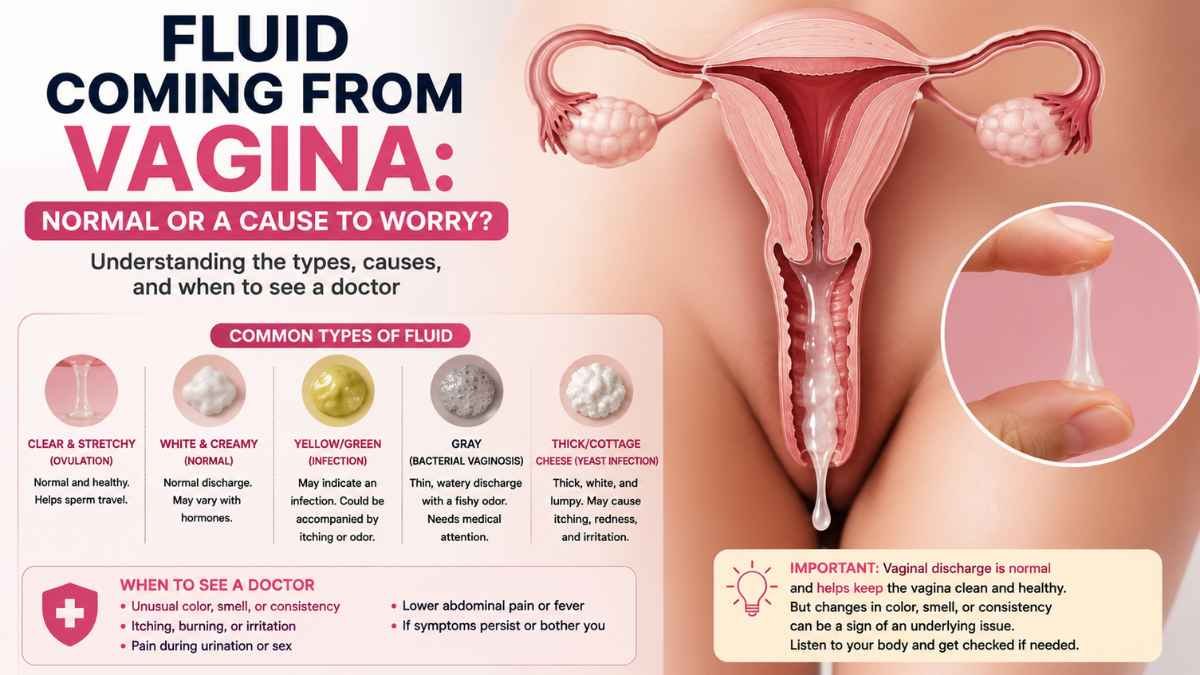
A yeast infection can cause vaginal or vulvar irritation, itching and soreness, and sex may make the discomfort more noticeable.
A common pattern is:
Burning + intense itching + soreness + thick, abnormal discharge
But symptoms vary, so burning alone cannot diagnose a yeast infection.
This is one reason self-treating every episode of post-sex burning with an antifungal medicine isn't a good idea.
The cause needs to be identified if symptoms persist or keep returning.
Can bacterial vaginosis cause burning?
Bacterial vaginosis, or BV, can cause changes in vaginal discharge and odour and may sometimes cause irritation.
A particularly noticeable clue can be a strong or fishy vaginal smell, especially around sexual activity.
However, burning is not specific to BV, and symptoms can overlap with other vaginal conditions.
If discharge, odour or irritation changes from your normal pattern, it is better to get evaluated rather than trying to diagnose the condition from symptoms alone.
Can an STI cause burning after sex?
Yes.
Some sexually transmitted infections can cause genital irritation, pain, unusual discharge, painful urination or pain during sex.
But there is an important complication:
Some STIs cause few or no symptoms.
So the absence of burning does not prove that someone does not have an STI, and burning alone does not prove that they do.
If burning occurs after sex with a new partner, particularly when there was possible STI exposure, testing can be important. The NHS recommends medical assessment when vaginitis-type symptoms occur after sex with a new partner.
Myth: If the burning disappears, there is definitely no problem
Not necessarily.
Temporary irritation that disappears after a short time is less concerning than persistent or recurrent symptoms.
But if the same burning keeps returning after sex, it is worth finding out why.
Recurring pain can sometimes be related to dryness, repeated irritation, infection, pelvic floor problems or other conditions. Persistent painful intercourse should not simply be accepted as something a person has to live with.
Can hormonal changes cause burning?
Yes.
Hormonal changes can reduce vaginal moisture and make the tissues more sensitive.
This is particularly relevant around perimenopause and menopause, when estrogen levels decrease and vaginal tissue can become thinner and drier.
This can cause:
- Burning
- Dryness
- Itching
- Pain during sex
- Soreness
- Sometimes bleeding after intercourse
Therefore, a woman who previously had comfortable sex but starts experiencing repeated burning or pain later in life should not simply assume it is “part of getting older.”
It may be treatable.
What can you do if burning happens after sex?
If the burning is mild and appears to be related to friction or dryness, giving the irritated area time to recover can help.
Avoid having sex again until the discomfort has settled.
For future sexual activity, adequate lubrication can reduce friction. Water- or silicone-based lubricants can be useful when dryness is contributing to discomfort.
It is also sensible to avoid:
- Perfumed intimate products
- Vaginal deodorants
- Harsh soaps
- Warming or tingling lubricants
- Products that repeatedly cause irritation
The vagina does not need to be aggressively cleaned.
Should you wash the vagina after sex?
The vagina naturally maintains its own environment.
Trying to clean inside the vagina with soaps, washes or douches can actually cause irritation.
If the external area needs cleaning, gentle washing is generally preferable to using harsh or fragranced products.
The goal is not to remove every natural vaginal secretion.
Is peeing after sex necessary?
Peeing after sex is commonly recommended as a way to potentially help reduce the chance of urinary tract infections in some people, although it does not prevent pregnancy or sexually transmitted infections.
Importantly, if you experience burning when urinating after sex, don't automatically assume that urinating itself is the problem.
Irritated external tissue can make urine sting.
If the burning continues, a healthcare professional can determine whether it is irritation, a UTI or another condition.
When is burning after sex a warning sign?
This is the part that should not be ignored.
Seek medical advice if burning is:
- Severe
- Persistent
- Happening repeatedly
- Getting worse
- Accompanied by unusual vaginal discharge
- Associated with a strong or unpleasant smell
- Accompanied by significant itching
- Associated with pelvic or lower abdominal pain
- Accompanied by bleeding after sex
- Associated with sores or blisters
- Accompanied by persistent burning while urinating
- Occurring after sex with a new partner
These symptoms can occur with infections, vaginal injury or other medical conditions.
What about bleeding after sex?
A small amount of spotting can have several causes, including dryness and irritation.
But repeated bleeding after sex should not simply be considered normal.
Cervical inflammation, infections, dryness and other conditions can cause post-sex bleeding. Persistent or unexplained bleeding deserves medical evaluation.
If bleeding is heavy, painful or accompanied by other concerning symptoms, medical attention should be sought promptly.
Myth: Pain after sex is something women just have to tolerate
Absolutely not.
Pain during or after intercourse is common enough to be recognized medically, but that does not mean it should be accepted as unavoidable.
Dyspareunia can result from dryness, infections, hormonal changes, pelvic floor dysfunction, injury and several other conditions. Identifying the cause can make treatment possible.
If sex repeatedly hurts, the answer isn't simply to “get used to it.”
The cause should be investigated.
The simple way to understand it
Think about post-sex burning in two categories.
Temporary irritation
Mild burning + dryness/friction + no other symptoms + improves quickly
This can happen and may not indicate an infection.
Possible health problem
Persistent/recurrent burning + discharge/odour/itching/pain/bleeding/urinary symptoms
This deserves medical evaluation.
This isn't a diagnosis, but it is a useful way to understand why the same symptom can have very different causes.
The Bottom Line
Burning in the vagina after sex is not always a sign of a serious problem—but it isn't something that should automatically be dismissed as normal either.
Mild, temporary burning can happen because of friction, vaginal dryness, irritation or small tears, particularly after vigorous or prolonged sex.
But persistent or recurring burning can also be associated with yeast infections, bacterial vaginosis, STIs, urinary problems, hormonal changes or other medical conditions.
The biggest myth to remember is:
“Burning after sex always means infection.” — False.
And the opposite myth is equally problematic:
“Burning after sex is always normal.” — Also false.
Pay attention to the pattern.
If it is mild and quickly disappears, irritation may be the explanation.
If it keeps returning, becomes severe or comes with unusual discharge, odour, itching, pain, bleeding or urinary symptoms, get it checked rather than guessing the cause.
Your body is giving you information. The important thing is knowing when to listen.