Walk into a supermarket or pharmacy and you will find products marketed specifically for “vaginal freshness,” odour control and intimate hygiene.
The message is usually simple: your vagina needs to be washed to stay clean and fresh.
But medical guidance tells a different story.
The vagina is self-cleaning, and there is generally no need to wash inside it with a vaginal wash, soap or other cleansing product. In fact, putting scented washes or similar products inside the vagina can irritate the tissues and disturb the natural balance of bacteria.
So, is vaginal wash safe?
The answer depends on where and how it is being used.
Cleaning the outside genital area, called the vulva, is different from washing inside the vagina.
That distinction is important.
First, understand the difference between the vagina and vulva
Many people use the word “vagina” to describe the entire genital area.
Medically, they are not the same.
The vagina is the internal muscular canal.
The vulva refers to the external genital structures, including the labia and the area around the vaginal opening.
When someone says they are “washing their vagina,” they may actually mean washing the vulva.
That is perfectly reasonable.
The confusion begins when a person starts putting vaginal washes, soaps, sprays or water inside the vagina in an attempt to clean it.
That is generally unnecessary.
Is vaginal wash required for good hygiene?
No.
You do not need a special vaginal wash to keep the vagina clean.
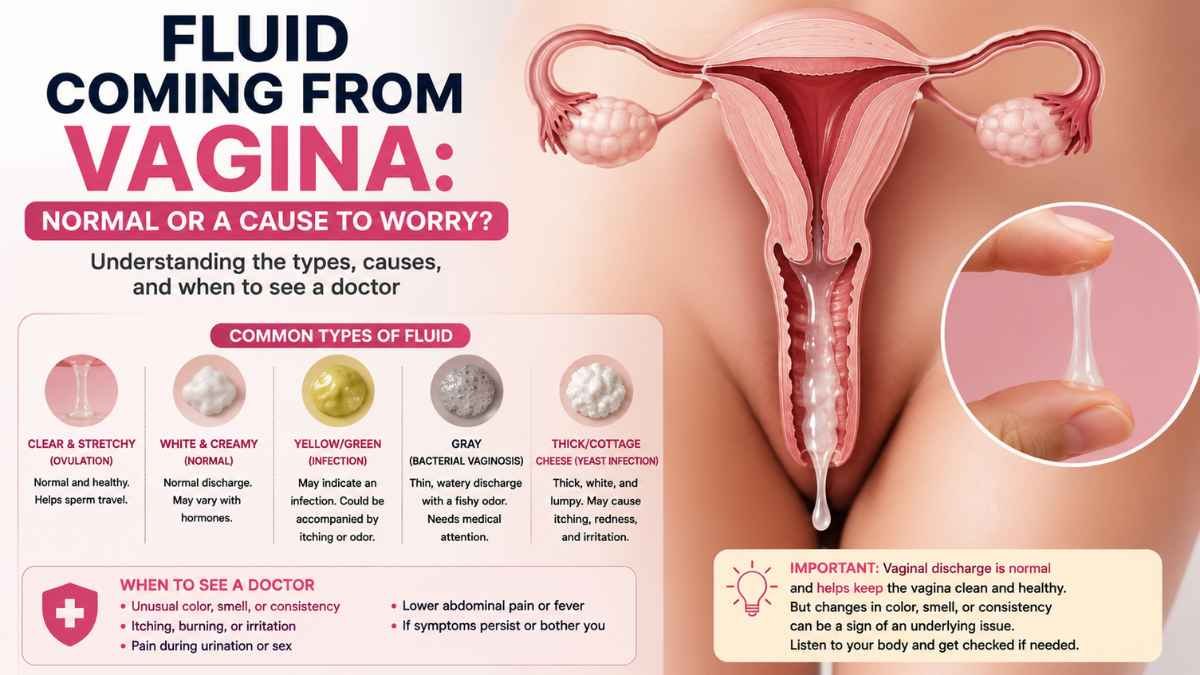
The vagina naturally produces fluids and discharge that help maintain its environment and remove old cells and secretions. Normal vaginal discharge is usually clear or white and may vary in amount and consistency throughout the menstrual cycle.
This means that seeing some discharge in your underwear does not mean your vagina is dirty.
In fact, trying to remove normal discharge with cleansing products can sometimes create more irritation.
Why does the vagina clean itself?
The vagina contains a natural community of microorganisms, including beneficial bacteria such as Lactobacillus.
These bacteria help maintain the vagina's naturally acidic environment and play a role in protecting against harmful microorganisms.
This natural balance is delicate.
Using harsh soaps, scented products or douching products inside the vagina can interfere with that environment.
So the idea that “more cleaning means better hygiene” does not necessarily apply to vaginal health.
Sometimes, less is actually better.
Myth: A vagina should smell like nothing
Not necessarily.
A healthy vagina does not have to be completely odourless.
There can be a mild, natural scent, and it can change during the menstrual cycle, after exercise or following sexual activity.
What is more concerning is a new, strong or unpleasant odour, particularly when it occurs with unusual discharge, itching, irritation or pain.
Using a scented vaginal wash to cover an unusual smell may temporarily mask it without addressing the underlying cause.
If the smell is persistent or accompanied by other symptoms, the better approach is to find out why it changed.
Can vaginal wash cause irritation?
Yes.
Some vaginal washes contain fragrances, preservatives or other ingredients that can irritate sensitive genital skin.
The vulva is particularly sensitive, and repeated exposure to irritating products can contribute to burning, itching, redness or soreness.
Cleveland Clinic advises avoiding fragranced soaps, sprays and other potentially irritating products around the vulva.
This is especially important for people who already experience sensitive skin or recurrent irritation.
What happens if you wash inside the vagina?
Washing inside the vagina is often referred to as douching.
Douching can involve flushing water or another liquid into the vagina.
Medical organizations do not recommend it as a routine hygiene practice.
ACOG specifically advises against douching and says it is better to allow the vagina to cleanse itself.
Douching can disturb the natural balance of organisms in the vagina and may contribute to problems such as irritation or vaginitis.
So if the question is:
“Should I wash inside my vagina with a vaginal wash?”
The simple answer is:
No, it isn't necessary.
Can vaginal wash prevent infections?
This is another common misconception.
A vaginal wash should not be considered a way to prevent vaginal infections.
In fact, douching and irritating products can disrupt the normal vaginal environment and potentially make problems more likely rather than preventing them.
For example, bacterial vaginosis involves an imbalance of bacteria in the vagina. The NHS specifically advises against vaginal deodorants, washes and douches when trying to prevent or manage BV.
So using a product because you are worried about “bacteria” may actually be counterproductive.
What about vaginal odour after sex?
Sex can temporarily change vaginal odour.
Semen, lubricants, condoms, sweat and changes in vaginal pH can all affect the way the genital area smells.
That does not automatically mean the vagina needs to be washed internally.
However, if you notice a persistent fishy or unpleasant smell, particularly with a change in discharge, it could be a sign of a condition such as bacterial vaginosis and should be evaluated rather than simply covered up with fragrance.
What about white discharge?
Normal vaginal discharge is one of the body's natural ways of maintaining the vaginal environment.
It can be:
- Clear
- White or milky
- Thick and sticky
- Slippery and wet
The amount can also change during ovulation, pregnancy, sexual activity and other hormonal changes.
Therefore:
White discharge does not automatically mean the vagina is dirty.
There is no need to use a vaginal wash simply because you notice normal discharge on your underwear.
However, discharge that becomes unusual in colour, smell or texture, especially when accompanied by itching, soreness, pelvic pain or pain while urinating, may require medical attention.
Can vaginal wash cause dryness?
It can contribute to irritation and dryness, particularly when products are fragranced or used excessively.
The NHS lists perfumed soaps, washes and douches in and around the vagina among factors that can contribute to vaginal dryness.
This can become a frustrating cycle:
Dryness → more washing → irritation → more dryness → more discomfort.
If vaginal dryness is persistent, the answer isn't necessarily stronger cleaning.
There may be another underlying cause, including hormonal changes, medications, stress or insufficient arousal.
What is the correct way to clean the vulva?
For most people, simple hygiene is enough.
The external genital area can be gently cleaned with warm water.
ACOG recommends plain warm water for cleaning the vulva and advises avoiding perfumed soaps, feminine sprays and douching.
Some medical guidance also considers a mild, non-perfumed soap acceptable for the external vulva if tolerated. The important point is that soap or wash should not be put inside the vagina.
A simple routine is:
Wash the outside gently → rinse → pat dry.
There is no need to scrub aggressively.
Should you wash the vulva every time you use the toilet?
Not necessarily.
Normal daily hygiene is enough.
Overwashing the genital area can cause irritation, particularly if someone repeatedly uses soap, scented wipes or other cleansing products.
Cleveland Clinic specifically warns against over-washing and recommends keeping the vulva clean while avoiding unnecessary irritation.
The goal is clean—not stripped of its natural protection.
Are scented vaginal washes better?
No.
A pleasant fragrance does not mean a product is healthier for vaginal tissue.
Perfumed soaps, sprays, wipes and washes can contain ingredients that irritate sensitive skin and may interfere with the normal vaginal environment.
So a product that makes the area smell like perfume isn't necessarily improving vaginal health.
It may simply be adding fragrance to an area that doesn't need it.
What about “pH-balanced” vaginal washes?
The phrase “pH-balanced” can sound reassuring, but it doesn't automatically mean a product is necessary.
The vagina naturally maintains its own acidic environment, supported by its normal bacterial flora.
A product being labelled “pH-balanced” does not mean you need to put it inside the vagina.
If you have symptoms suggesting that your vaginal pH or bacterial balance has changed, the appropriate response is to identify the cause—not simply keep washing.
Does washing remove all bacteria?
It may remove or alter microorganisms, but that's not necessarily a good thing.
The vagina is supposed to contain bacteria.
The goal is not to make the vagina completely bacteria-free.
Healthy vaginal flora, including Lactobacillus species, help maintain the normal environment.
Trying to eliminate all bacteria is therefore the wrong approach.
The goal is maintaining the natural balance.
Can vaginal wash prevent vaginal infections after sex?
No.
Washing inside the vagina after sex does not provide reliable protection against sexually transmitted infections.
It also should not be considered a substitute for condoms or appropriate STI testing.
If there has been a potential STI exposure, testing and medical advice are much more useful than trying to wash away the risk.
What about washing after periods?
You can maintain your normal external hygiene during your period.
There is no need to flush or wash inside the vagina after menstruation.
The vagina naturally removes menstrual blood and other secretions.
Simply washing the external vulva with warm water and changing menstrual products appropriately is generally sufficient.
What about vaginal washes after masturbation?
The same rule applies.
If you want to clean yourself after masturbation, gently clean the external area.
There is no need to wash inside the vagina.
If sex toys are used, they should also be cleaned according to the manufacturer's instructions before and after use.
When could a vaginal wash actually make things worse?
Imagine someone notices a little unusual smell.
They start using a scented vaginal wash every day.
The product irritates the skin and disrupts the natural environment.
The irritation produces more discomfort.
The person assumes they aren't cleaning enough and starts washing even more.
This can become a cycle.
More washing → more irritation → more symptoms → even more washing.
That is why medical guidance generally supports a “less is more” approach to vaginal hygiene.
When should you see a doctor?
If you have symptoms that are unusual for you, don't try to solve everything with a vaginal wash.
See a healthcare professional if you notice:
- Strong or unpleasant vaginal odour
- Unusual discharge
- Green, yellow or grey discharge
- Thick, lumpy discharge
- Persistent itching
- Burning or soreness
- Pain during sex
- Pain while urinating
- Pelvic pain
- Bleeding between periods
- Bleeding after sex
- Symptoms that keep coming back
These symptoms can have different causes, including bacterial vaginosis, yeast infections, STIs, irritation and other conditions.
The treatment depends on the actual cause.
The biggest myth about vaginal hygiene
Perhaps the biggest misconception is:
“If it smells natural or has discharge, it must be dirty.”
That's not how vaginal health works.
Normal vaginal discharge is part of a healthy reproductive system.
A mild natural odour is not automatically a sign of poor hygiene.
And the vagina does not need to smell like perfume to be healthy.
Trying to make it completely odourless with scented products can actually cause irritation.
So, what is actually required?
You don't need a complicated routine.
For most people:
Clean the external vulva gently.
Use warm water.
If using soap, choose a mild, unscented option and keep it external.
Do not douche or wash inside the vagina.
Avoid scented sprays, washes, wipes and deodorants around the area.
Keep the area dry and change out of wet or sweaty clothes.
See a healthcare professional if you develop unusual symptoms.
That's it.
The Bottom Line
So, is vaginal wash safe and is it required?
For routine vaginal hygiene, you do not need to wash inside the vagina with a vaginal wash.
The vagina is self-cleaning, and its natural fluids and beneficial bacteria help maintain its normal environment.
The external area—the vulva—can be gently cleaned with warm water. If soap is used, it should be mild and fragrance-free and kept on the external skin rather than inside the vagina.
Scented vaginal washes, douches, sprays and similar products are not necessary for freshness and may cause irritation or disrupt the natural vaginal balance.
And remember:
A healthy vagina does not need to smell like perfume.
It does not need to be scrubbed.
It does not need to be washed from the inside.
Sometimes, the healthiest vaginal hygiene routine is simply leaving the vagina alone and taking care of the outside gently.
Walk into a supermarket or pharmacy and you will find products marketed specifically for “vaginal freshness,” odour control and intimate hygiene.
The message is usually simple: your vagina needs to be washed to stay clean and fresh.
But medical guidance tells a different story.
The vagina is self-cleaning, and there is generally no need to wash inside it with a vaginal wash, soap or other cleansing product. In fact, putting scented washes or similar products inside the vagina can irritate the tissues and disturb the natural balance of bacteria.
So, is vaginal wash safe?
The answer depends on where and how it is being used.
Cleaning the outside genital area, called the vulva, is different from washing inside the vagina.
That distinction is important.
First, understand the difference between the vagina and vulva
Many people use the word “vagina” to describe the entire genital area.
Medically, they are not the same.
The vagina is the internal muscular canal.
The vulva refers to the external genital structures, including the labia and the area around the vaginal opening.
When someone says they are “washing their vagina,” they may actually mean washing the vulva.
That is perfectly reasonable.
The confusion begins when a person starts putting vaginal washes, soaps, sprays or water inside the vagina in an attempt to clean it.
That is generally unnecessary.
Is vaginal wash required for good hygiene?
No.
You do not need a special vaginal wash to keep the vagina clean.
The vagina naturally produces fluids and discharge that help maintain its environment and remove old cells and secretions. Normal vaginal discharge is usually clear or white and may vary in amount and consistency throughout the menstrual cycle.
This means that seeing some discharge in your underwear does not mean your vagina is dirty.
In fact, trying to remove normal discharge with cleansing products can sometimes create more irritation.
Why does the vagina clean itself?
The vagina contains a natural community of microorganisms, including beneficial bacteria such as Lactobacillus.
These bacteria help maintain the vagina's naturally acidic environment and play a role in protecting against harmful microorganisms.
This natural balance is delicate.
Using harsh soaps, scented products or douching products inside the vagina can interfere with that environment.
So the idea that “more cleaning means better hygiene” does not necessarily apply to vaginal health.
Sometimes, less is actually better.
Myth: A vagina should smell like nothing
Not necessarily.
A healthy vagina does not have to be completely odourless.
There can be a mild, natural scent, and it can change during the menstrual cycle, after exercise or following sexual activity.
What is more concerning is a new, strong or unpleasant odour, particularly when it occurs with unusual discharge, itching, irritation or pain.
Using a scented vaginal wash to cover an unusual smell may temporarily mask it without addressing the underlying cause.
If the smell is persistent or accompanied by other symptoms, the better approach is to find out why it changed.
Can vaginal wash cause irritation?
Yes.
Some vaginal washes contain fragrances, preservatives or other ingredients that can irritate sensitive genital skin.
The vulva is particularly sensitive, and repeated exposure to irritating products can contribute to burning, itching, redness or soreness.
Cleveland Clinic advises avoiding fragranced soaps, sprays and other potentially irritating products around the vulva.
This is especially important for people who already experience sensitive skin or recurrent irritation.
What happens if you wash inside the vagina?
Washing inside the vagina is often referred to as douching.
Douching can involve flushing water or another liquid into the vagina.
Medical organizations do not recommend it as a routine hygiene practice.
ACOG specifically advises against douching and says it is better to allow the vagina to cleanse itself.
Douching can disturb the natural balance of organisms in the vagina and may contribute to problems such as irritation or vaginitis.
So if the question is:
“Should I wash inside my vagina with a vaginal wash?”
The simple answer is:
No, it isn't necessary.
Can vaginal wash prevent infections?
This is another common misconception.
A vaginal wash should not be considered a way to prevent vaginal infections.
In fact, douching and irritating products can disrupt the normal vaginal environment and potentially make problems more likely rather than preventing them.
For example, bacterial vaginosis involves an imbalance of bacteria in the vagina. The NHS specifically advises against vaginal deodorants, washes and douches when trying to prevent or manage BV.
So using a product because you are worried about “bacteria” may actually be counterproductive.
What about vaginal odour after sex?
Sex can temporarily change vaginal odour.
Semen, lubricants, condoms, sweat and changes in vaginal pH can all affect the way the genital area smells.
That does not automatically mean the vagina needs to be washed internally.
However, if you notice a persistent fishy or unpleasant smell, particularly with a change in discharge, it could be a sign of a condition such as bacterial vaginosis and should be evaluated rather than simply covered up with fragrance.
What about white discharge?
Normal vaginal discharge is one of the body's natural ways of maintaining the vaginal environment.
It can be:
- Clear
- White or milky
- Thick and sticky
- Slippery and wet
The amount can also change during ovulation, pregnancy, sexual activity and other hormonal changes.
Therefore:
White discharge does not automatically mean the vagina is dirty.
There is no need to use a vaginal wash simply because you notice normal discharge on your underwear.
However, discharge that becomes unusual in colour, smell or texture, especially when accompanied by itching, soreness, pelvic pain or pain while urinating, may require medical attention.
Can vaginal wash cause dryness?
It can contribute to irritation and dryness, particularly when products are fragranced or used excessively.
The NHS lists perfumed soaps, washes and douches in and around the vagina among factors that can contribute to vaginal dryness.
This can become a frustrating cycle:
Dryness → more washing → irritation → more dryness → more discomfort.
If vaginal dryness is persistent, the answer isn't necessarily stronger cleaning.
There may be another underlying cause, including hormonal changes, medications, stress or insufficient arousal.
What is the correct way to clean the vulva?
For most people, simple hygiene is enough.
The external genital area can be gently cleaned with warm water.
ACOG recommends plain warm water for cleaning the vulva and advises avoiding perfumed soaps, feminine sprays and douching.
Some medical guidance also considers a mild, non-perfumed soap acceptable for the external vulva if tolerated. The important point is that soap or wash should not be put inside the vagina.
A simple routine is:
Wash the outside gently → rinse → pat dry.
There is no need to scrub aggressively.
Should you wash the vulva every time you use the toilet?
Not necessarily.
Normal daily hygiene is enough.
Overwashing the genital area can cause irritation, particularly if someone repeatedly uses soap, scented wipes or other cleansing products.
Cleveland Clinic specifically warns against over-washing and recommends keeping the vulva clean while avoiding unnecessary irritation.
The goal is clean—not stripped of its natural protection.
Are scented vaginal washes better?
No.
A pleasant fragrance does not mean a product is healthier for vaginal tissue.
Perfumed soaps, sprays, wipes and washes can contain ingredients that irritate sensitive skin and may interfere with the normal vaginal environment.
So a product that makes the area smell like perfume isn't necessarily improving vaginal health.
It may simply be adding fragrance to an area that doesn't need it.
What about “pH-balanced” vaginal washes?
The phrase “pH-balanced” can sound reassuring, but it doesn't automatically mean a product is necessary.
The vagina naturally maintains its own acidic environment, supported by its normal bacterial flora.
A product being labelled “pH-balanced” does not mean you need to put it inside the vagina.
If you have symptoms suggesting that your vaginal pH or bacterial balance has changed, the appropriate response is to identify the cause—not simply keep washing.
Does washing remove all bacteria?
It may remove or alter microorganisms, but that's not necessarily a good thing.
The vagina is supposed to contain bacteria.
The goal is not to make the vagina completely bacteria-free.
Healthy vaginal flora, including Lactobacillus species, help maintain the normal environment.
Trying to eliminate all bacteria is therefore the wrong approach.
The goal is maintaining the natural balance.
Can vaginal wash prevent vaginal infections after sex?
No.
Washing inside the vagina after sex does not provide reliable protection against sexually transmitted infections.
It also should not be considered a substitute for condoms or appropriate STI testing.
If there has been a potential STI exposure, testing and medical advice are much more useful than trying to wash away the risk.
What about washing after periods?
You can maintain your normal external hygiene during your period.
There is no need to flush or wash inside the vagina after menstruation.
The vagina naturally removes menstrual blood and other secretions.
Simply washing the external vulva with warm water and changing menstrual products appropriately is generally sufficient.
What about vaginal washes after masturbation?
The same rule applies.
If you want to clean yourself after masturbation, gently clean the external area.
There is no need to wash inside the vagina.
If sex toys are used, they should also be cleaned according to the manufacturer's instructions before and after use.
When could a vaginal wash actually make things worse?
Imagine someone notices a little unusual smell.
They start using a scented vaginal wash every day.
The product irritates the skin and disrupts the natural environment.
The irritation produces more discomfort.
The person assumes they aren't cleaning enough and starts washing even more.
This can become a cycle.
More washing → more irritation → more symptoms → even more washing.
That is why medical guidance generally supports a “less is more” approach to vaginal hygiene.
When should you see a doctor?
If you have symptoms that are unusual for you, don't try to solve everything with a vaginal wash.
See a healthcare professional if you notice:
- Strong or unpleasant vaginal odour
- Unusual discharge
- Green, yellow or grey discharge
- Thick, lumpy discharge
- Persistent itching
- Burning or soreness
- Pain during sex
- Pain while urinating
- Pelvic pain
- Bleeding between periods
- Bleeding after sex
- Symptoms that keep coming back
These symptoms can have different causes, including bacterial vaginosis, yeast infections, STIs, irritation and other conditions.
The treatment depends on the actual cause.
The biggest myth about vaginal hygiene
Perhaps the biggest misconception is:
“If it smells natural or has discharge, it must be dirty.”
That's not how vaginal health works.
Normal vaginal discharge is part of a healthy reproductive system.
A mild natural odour is not automatically a sign of poor hygiene.
And the vagina does not need to smell like perfume to be healthy.
Trying to make it completely odourless with scented products can actually cause irritation.
So, what is actually required?
You don't need a complicated routine.
For most people:
Clean the external vulva gently.
Use warm water.
If using soap, choose a mild, unscented option and keep it external.
Do not douche or wash inside the vagina.
Avoid scented sprays, washes, wipes and deodorants around the area.
Keep the area dry and change out of wet or sweaty clothes.
See a healthcare professional if you develop unusual symptoms.
That's it.
The Bottom Line
So, is vaginal wash safe and is it required?
For routine vaginal hygiene, you do not need to wash inside the vagina with a vaginal wash.
The vagina is self-cleaning, and its natural fluids and beneficial bacteria help maintain its normal environment.
The external area—the vulva—can be gently cleaned with warm water. If soap is used, it should be mild and fragrance-free and kept on the external skin rather than inside the vagina.
Scented vaginal washes, douches, sprays and similar products are not necessary for freshness and may cause irritation or disrupt the natural vaginal balance.
And remember:
A healthy vagina does not need to smell like perfume.
It does not need to be scrubbed.
It does not need to be washed from the inside.
Sometimes, the healthiest vaginal hygiene routine is simply leaving the vagina alone and taking care of the outside gently.